
Business Process Improvement Services
Operations & Process Optimization improves the efficiency, structure, and reliability of the organization’s internal systems. This service identifies bottlenecks, clarifies responsibilities, streamlines workflows, and strengthens execution. The outcome is a more predictable, more coordinated operation that supports growth with less friction and less uncertainty.
Business Process Improvement Services & Operations Optimization

Workflow Mapping and Process Structure
Clear, well-defined workflows reduce confusion, speed up execution, and ensure teams follow consistent procedures. This portion of the service reviews existing processes and rebuilds them into structured, repeatable systems.
Key components include:
- End-to-end workflow mapping
- Identification of bottlenecks and redundancies
- Alignment of tasks, roles, and handoffs
- Standardized process documentation
- Process improvements that shorten execution timelines

Cross-Department Alignment
Growth slows when teams work independently or rely on inconsistent information. Cross-department alignment ensures that operations, marketing, sales, and leadership share the same expectations, data, and direction.
Key components include:
- Unified communication paths
- Shared definitions and standards
- Role clarity across departments
- Alignment of internal responsibilities
- Reduced friction between teams
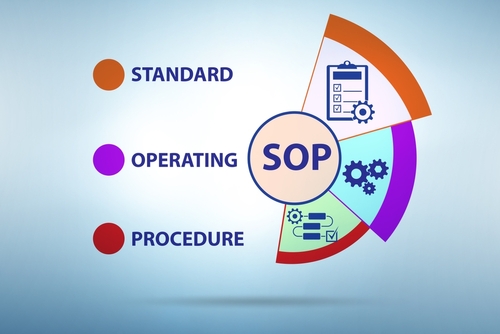
Standard Operating Procedures (SOPs)
SOPs provide structure, eliminate guesswork, and ensure tasks are completed consistently. This portion of the service creates clear procedural documentation that supports growth and improves team onboarding.
Key components include:
- SOP development for recurring tasks
- Documentation of best practices
- Checklists and repeatable steps
- Templates for internal consistency
- Training materials for new team members

Sales Process and Internal Hand-offs
This service addresses the operational side of sales—not technical CRM setup. It focuses on how inquiries flow through the organization, how responsibilities are assigned, and how follow-up expectations are coordinated.
Key components include:
- Lead handling expectations and internal steps
- Defined handoff points and responsibilities
- Consistent follow-up logic and timing
- Process maps for initial inquiry through closed deal
- Alignment between sales, marketing, and operations

Communication Systems and Internal Coordination
A strong communication system reduces delays and errors. This includes establishing clear routines, feedback loops, and channels for sharing updates and progress.
Key components include:
- Central communication structures
- Update and reporting routines
- Internal escalation paths
- Clear expectations for team communication
- Weekly, monthly, and quarterly coordination rhythms

Resource and Capacity Planning
Resource planning ensures the organization can meet demand with the right level of staffing, tooling, and operational support. This helps prevent overloading teams or underutilizing available capacity.
Key components include:
- Workload and capacity assessment
- Task distribution and workforce planning
- Review of tools and process support gaps
- Forecasting based on known demand patterns
- Recommendations for improved resource allocation
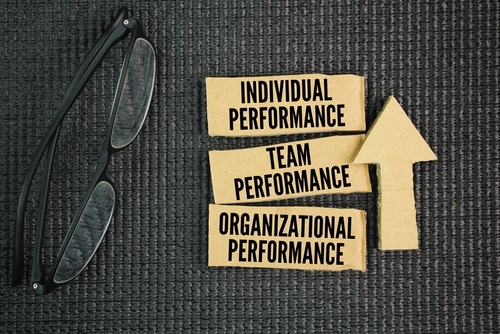
Performance Standards and Accountability
Consistent performance depends on clear expectations. This part of the service establishes the standards, metrics, and accountability systems that guide how teams operate daily.
Key components include:
- Role-based performance expectations
- Measurement standards and operational KPIs
- Accountability structures within teams
- Communication of goals and responsibilities
- Systems for reviewing progress and results
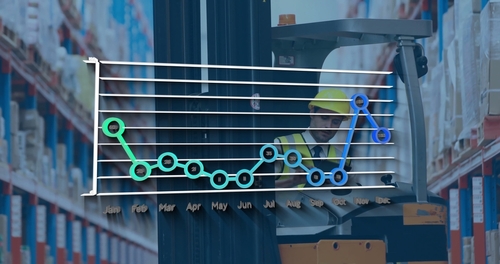
Operational Reporting and Insight Systems
Strong reporting supports better decisions. Operational reporting provides visibility into process health, team performance, and areas requiring improvement.
Key components include:
- Operational KPI dashboards
- Task, workflow, and cycle-time insights
- Bottleneck and trend identification
- Visibility into cross-team performance
- Reporting structures that support leadership decisions
What Makes Our Business Process Improvement Services Different
Practical, Real-World Operations Design
Workflows and processes are designed around how the business actually functions—not idealized models. This creates structure that teams can realistically follow.
Systems Built for Consistency
Processes, responsibilities, and communication paths are developed for reliability and long-term sustainability, reducing dependency on individuals.
Alignment Across the Entire Organization
The service creates unity across departments by connecting operations to marketing, sales, customer experience, and leadership priorities.
Reduced Operational Friction
The outcome is smoother execution, faster internal movement, and fewer process-related delays that impact customers and revenue.
Business Gains
- Stronger internal coordination and communication
- More efficient workflows and reduced delays
- Clearer roles, responsibilities, and expectations
- Better visibility into operational performance
- Faster execution and fewer process failures
- Stronger departmental alignment
- Systems that scale more easily
Who This Is Designed For
- Businesses experiencing inconsistent internal processes
- Teams struggling with unclear responsibilities or sloppy handoffs
- Organizations facing operational bottlenecks or delays
- Companies with growing workloads that need more structure
- Groups needing documented procedures or reliable workflow design
Getting Started with Business Process Improvement Services & Operations Optimization
Getting started with our Business Process Improvement Services and operations optimization is simple. We begin by learning how your business works today, where time is being lost, and what processes slow your team down. From there, we look for gaps, bottlenecks, and tasks that can be improved or automated. The goal is to help your business run smoother, reduce waste, and create a clear path for growth with practical steps you can act on right away.
Many business owners try to solve operational problems on their own, but an outside expert can often see things the internal team can’t. According to Forbes, hiring a consultant helps small businesses uncover blind spots, improve decision-making, and get results faster because the consultant isn’t tied to old habits or internal pressure.
Step 1 — Operational Review
Evaluation of existing workflows, responsibilities, communication paths, and bottlenecks.
Step 2 — Workflow & Process Redesign
Creation of structured workflows, alignment of responsibilities, and removal of inefficiencies.
Step 3 — Documentation and Implementation
Development of SOPs, communication standards, and internal coordination systems.
Step 4 — Performance Monitoring
Review of operational KPIs, process adherence, and ongoing refinement to maintain efficiency.
Book Your Free Business Process Improvement Services Call Today!
Independent advisory groups also explain that external consultants often deliver improvements faster and more cost-effectively than relying on internal teams alone. Consulting Success highlights how outside experts bring fresh perspective, specialized experience, and clearer recommendations without the learning curve or bias that comes with in-house staff.
This is why our Business Process Improvement Services focus on giving you simple, clear insights and solutions that help your business run smoother, reduce waste, and move forward with confidence.
Let us identify and fix the waste you dont have the time to find and correct!