Dashboards, KPIs &
Performance Management

KPI Dashboard Services That Create Clarity, Accountability, and Better Decisions

Most businesses don’t have a shortage of data—they have a shortage of clarity. Metrics live in different tools, reporting takes too long, and leaders aren’t sure which numbers matter or what actions to take next. Our KPI dashboard services help you define the right KPIs, build dashboards that reflect reality, and establish a simple performance rhythm so the business can improve consistently without drowning in spreadsheets or vanity metrics.

What “Dashboards, KPIs & Performance Management” Really Means

This service combines three things that must work together:
  • KPIs (Key Performance Indicators): the small set of metrics that show whether the business is healthy and improving.
  • Dashboards: a clear, reliable way to see those KPIs without manual reporting chaos.
  • Performance management: the cadence and accountability that turns metrics into action.
Good dashboards don’t “look nice.” They reduce confusion, align teams, and make it obvious what to do next.


Common Problems This Service Solves

Our KPI dashboard services are a fit if you’re experiencing:
  • weekly reporting that takes too long (or doesn’t happen consistently)
  • leadership meetings full of opinions because numbers aren’t trusted
  • different teams reporting different versions of the truth
  • too many metrics and not enough decisions
  • KPIs that exist but don’t connect to ownership or action
  • “busy” operations with no measurable improvement over time
  • dashboards that show activity, not outcomes

What We Build and Improve

KPI Definition and Standardization

Before any dashboard is useful, KPIs must be defined clearly. We establish:
  • KPI name + exact calculation (so it’s not interpreted differently)
  • the purpose of the KPI (what decision it supports)
  • the owner (who is accountable for improvement)
  • the target and acceptable range
  • update frequency (daily, weekly, monthly)
  • data source (where the number comes from)
This is where most performance systems break—because “everyone” thinks they mean the same thing, but they don’t.

Leading vs. Lagging Indicators

We build KPI sets that include both:
  • lagging indicators (revenue, churn, margin, cycle time results)
  • leading indicators (inputs and behaviors that predict results)
A performance system improves faster when teams can influence leading indicators early—rather than waiting for lagging indicators to confirm a problem after it’s expensive.


Operational Dashboards That Match Reality

Our KPI dashboard services focus on dashboards that help people run the business:
  • a leadership overview (what matters this week/month)
  • function dashboards (operations, delivery, support, sales process, etc.)
  • bottleneck visibility (where work is stuck)
  • trend views (direction matters more than one point-in-time number)
  • “actionability” (what the team should do when a KPI moves)

Reporting Rhythms (So Data Turns Into Decisions)

Dashboards without a cadence become wallpaper. We help define:
  • weekly performance rhythm (what gets reviewed, by whom, for how long)
  • monthly trend + improvement review (what changed, why, what’s next)
  • quarterly priorities and KPI alignment (what matters most right now)
  • escalation rules (what triggers deeper investigation or action)
This is performance management without bureaucracy—simple, consistent, and execution-friendly.

Accountability Without Micromanagement

Performance management works when accountability is clear and respectful:
  • KPI ownership by role (not “everyone owns everything”)
  • clear handoffs between teams (who does what next)
  • action logs that don’t become an administrative burden
  • focus on a small number of improvements at a time
If your team needs documentation around roles and handoffs, Workflow Design & SOP Development supports the operating structure behind the dashboard.
operational KPI dashboard

Our KPI Dashboard Services

KPI Audit and Metric Cleanup

We review your current KPI set and reporting to identify:
  • redundant or misleading metrics
  • gaps (what you should be measuring but aren’t)
  • unclear definitions and inconsistent calculations
  • “vanity” dashboards that don’t drive decisions
  • data quality issues that break trust

KPI Framework and Scorecard Build

We define:
  • the KPI hierarchy (company → department → process KPIs)
  • targets and thresholds
  • ownership and reporting frequency
  • the minimal set of KPIs that truly drive outcomes

Dashboard Build Requirements
(Tool-Agnostic)

We can support dashboards in the tools you already use, but we always start with structure:
  • what data sources feed the dashboard
  • how KPIs are calculated
  • how views are organized for each audience
  • what should be automated vs manually reviewed
  • what must be governed to keep dashboards accurate


Training and Rollout Support

You’ve been consistent about this across the site: practical support, not “management change.” We provide:
  • KPI definitions and “how to use this dashboard” guidance
  • training support for owners and reviewers
  • review rhythm setup (agenda, structure, who attends)
  • early-cycle refinement (so the dashboard matches reality)

A Performance Excellence Reference

If you want a credible external reference to support the idea of structured performance systems, the Baldrige performance excellence framework is a widely recognized standard for organizational performance and improvement.
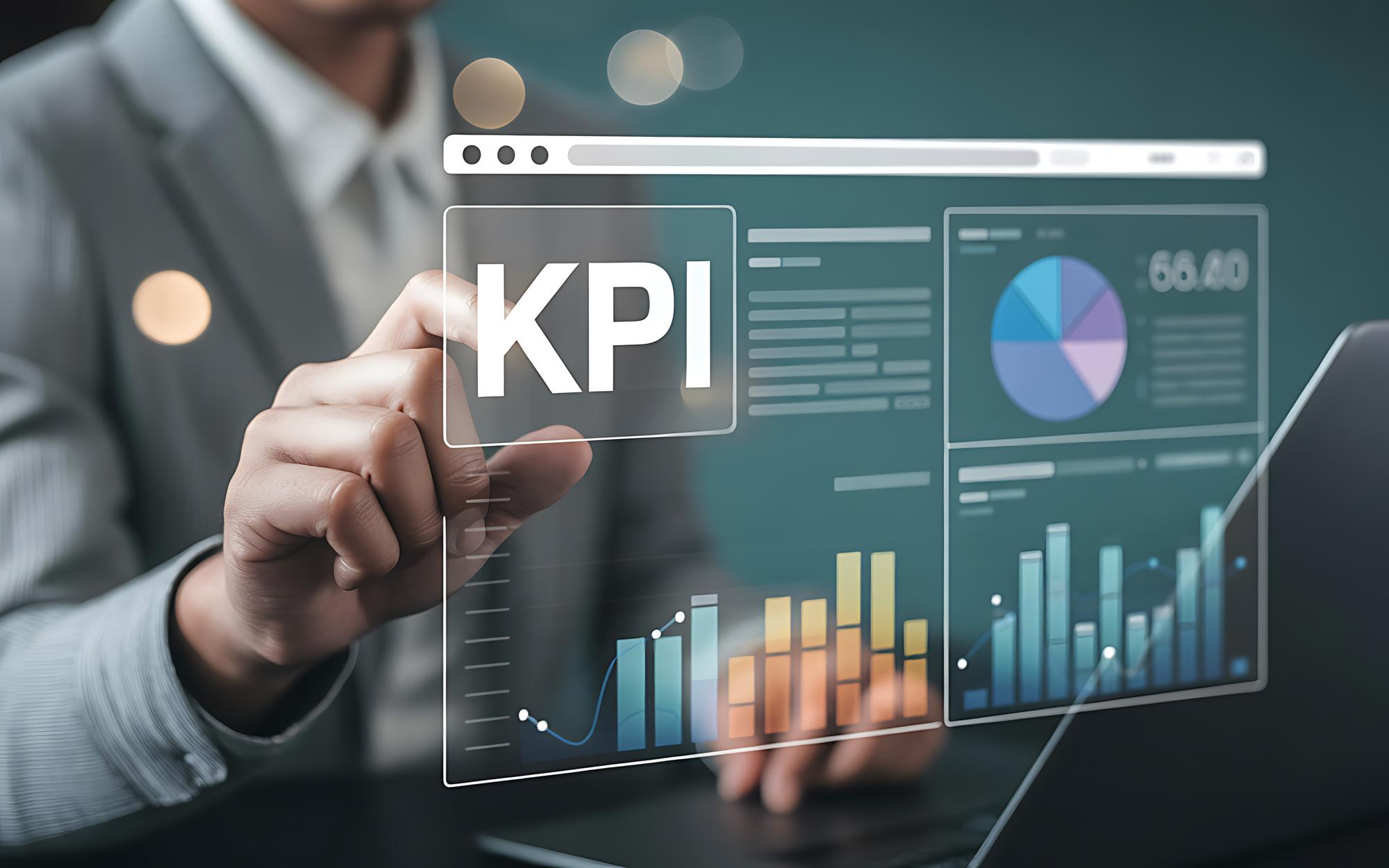
KPI dashboard
business performance dashboards

Deliverables You Receive

Most KPI dashboard services engagements include:
  • KPI inventory + cleanup recommendations
  • KPI definitions (calculation, owner, target, frequency, source)
  • KPI framework/scorecard outline (what matters at each level)
  • dashboard structure plan (views by audience)
  • reporting cadence and review rhythm setup
  • actionability rules (what to do when KPIs move)
  • training notes + rollout guidance
Our Process


Step 1 — KPI and Reporting Review

We learn what the business needs to measure and where reporting breaks today.


Step 2 — Define KPIs and Ownership

We standardize KPI definitions, targets, and owners so reporting becomes consistent.

Step 3 — Build Dashboards and Review Rhythm

We structure dashboards for leadership and teams and establish the meeting cadence that turns metrics into action.


Step 4 — Refine and Improve

We refine based on real usage so dashboards remain simple, trusted, and decision-oriented.

Who This Is Designed For

Our KPI dashboard services are a fit for:
  • leadership teams that want clarity without micromanagement
  • operations that need predictable execution and measurable improvement
  • businesses where reporting is slow, inconsistent, or not trusted
  • teams growing past “tribal knowledge” and needing structured visibility
  • organizations ready to align people, process, and tools around outcomes

Frequently Asked Questions (FAQs)

How many KPIs should we track?
Fewer than you think. Most businesses improve faster with a tight KPI set that’s tied to ownership and action.
Not usually. Dashboards work when paired with a review rhythm and clear accountability. Otherwise they become passive reporting.
That’s common. We can start with what’s available, improve definitions first, then address data flow and system alignment as the next phase.

Ready to Make Performance Visible and Actionable?

If you want metrics that drive decisions—not confusion—our KPI dashboard services help you create clarity, build accountability, and improve execution over time.